
If you’re living with ADHD, you may already know that attention challenges are just one part of the picture. For many people, the most difficult and distressing symptoms are emotional. They have big feelings that surge quickly, overwhelm easily, and linger longer than expected. Whether it’s frustration that escalates into anger, sudden tears, sensitivity to criticism, or feeling flooded by stress, emotional dysregulation is one of the most common and misunderstood aspects of ADHD.
You may have heard the phrase “emotionally reactive” or “too sensitive,” or you may feel like your emotional responses are “too much” compared to others around you. But this isn’t a character flaw. It is a neurological pattern that is rooted in the way the ADHD brain processes information, responds to stress, and regulates emotions.
For many people, emotional dysregulation leads to conflict at home, difficulties at school or work, burnout, and even withdrawal from relationships. The good news is that emotional dysregulation is highly treatable, and understanding the science behind it is the first step in building more balance, confidence, and emotional stability.
This article explores why ADHD brains experience intense emotions, what the research tells us about rejection sensitivity, and the tools and treatments that can help you develop steadier emotional regulation over time.
Emotional Dysregulation: A Core, Often Overlooked Aspect of ADHD
Emotional dysregulation is not a separate diagnosis; it is closely woven into the lived experience of ADHD. While the official diagnostic criteria focus on attention, impulsivity, and hyperactivity, long-term clinical research shows that difficulties managing emotions are just as central. For many people with ADHD, emotions are:
- Felt intensely
- Triggered quickly
- Harder to soothe or bring down
- Easily influenced by stress or overstimulation
- Tied to feelings of shame, rejection, or failure
Because emotional regulation affects relationships, self-esteem, performance, and wellbeing, it is often the factor that drives individuals to seek support. Understanding why this happens requires a closer look at the brain circuits involved.
The Neuroscience Behind Emotional Dysregulation in ADHD
Understanding emotional dysregulation begins with what’s happening in the brain. ADHD affects several key networks responsible for attention, impulse control, stress management, and emotional processing. When these systems struggle to work together efficiently, emotional responses can become intense or difficult to regulate.
Let’s look at the two major regions involved.
1. The Prefrontal Cortex: The “Regulator”
The prefrontal cortex, which is the part of the brain responsible for planning, decision-making, attention, and self-control acts as the emotional “braking system.” It helps you pause, think, and regulate reactions. In ADHD, this area tends to be under-activated or slower to respond, meaning:
- emotional impulses rise faster than the brain can regulate,
- reactions may feel immediate or overwhelming,
- it takes longer to access calming strategies,
- small stressors can feel disproportionately big.
This isn’t due to a lack of willpower. It’s neurological. Understanding this helps you respond with greater compassion for yourself, recognising that your emotional reactions are rooted in brain functioning and not personal failure.
2. The Amygdala: The “Alarm System”
The amygdala plays a central role in threat detection, stress, and emotional responses. It reacts quickly, sometimes before the thinking brain has time to assess what’s happening. In ADHD, the amygdala tends to be:
- more sensitive to perceived threats,
- quicker to activate stress responses,
- slower to “switch off” once triggered,
- especially reactive to criticism, conflict, or uncertainty.
When the amygdala fires rapidly and the prefrontal cortex struggles to regulate in time, emotional intensity naturally increases. This is the neurological root of why feelings can seem to “hit all at once” or escalate quickly.
Why ADHD Brains Experience Intense Emotions
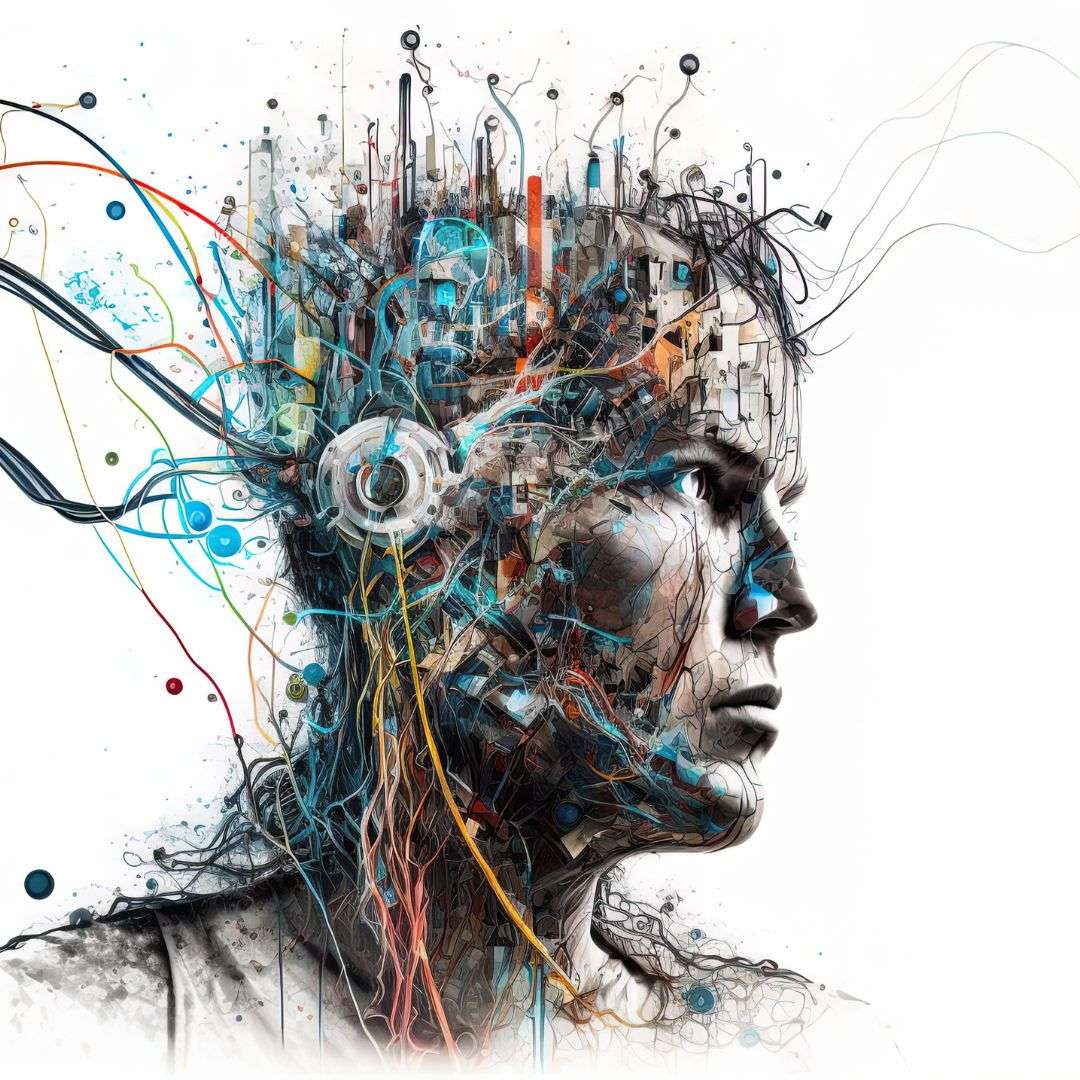
ADHD influences the brain systems responsible for arousal, reward processing, and emotional balance. This combination means that emotional experiences often unfold differently and more intensely for people with ADHD. Emotions can rise rapidly, sometimes before there’s a chance to fully register what triggered them. Once they surface, they tend to be felt deeply and vividly, whether the feeling is joy, frustration, fear, anger, or excitement.
Because the brain’s “slowing down” mechanisms take longer to activate, these emotions may also linger, making it harder to return to calm after being triggered. Everyday cues that others might overlook, such as tone of voice, facial expressions, or sudden changes in plans can feel amplified, creating a stronger emotional impact. In moments of overwhelm, even coping strategies you normally rely on can feel out of reach.
These patterns aren’t signs of weakness or overreaction; they reflect how the ADHD brain integrates emotion, attention, and stress. Understanding this brings clarity and self-compassion, helping you see emotional intensity as part of your neurobiology rather than a personal shortcoming.
Rejection Sensitive Dysphoria (RSD): Science vs. Myth
Rejection Sensitive Dysphoria (RSD) is a term that’s become increasingly popular online to describe the intense emotional pain many people with ADHD feel in response to criticism, perceived rejection, or even the possibility of letting someone down. While the emotional experience itself is very real, the term “RSD” is not fully recognised or understood as an official clinical diagnosis. Still, the science does offer important insights into what’s happening beneath the surface.
People with ADHD frequently describe a pattern of emotional responses that includes extreme sensitivity to criticism, strong reactions to perceived rejection, fear of disappointing others, shame spirals after mistakes, and avoidance of feedback or evaluation. These reactions are not exaggerated; they closely reflect what we know about ADHD-related emotional dysregulation.
Clinically, this pattern is better explained through well-established mechanisms in the brain and nervous system such as difficulties with prefrontal cortex regulation, heightened amygdala reactivity, histories of trauma or invalidation, perfectionism or masking behaviours, and overall nervous system hyperarousal. Together, these factors make emotional responses to rejection or criticism feel sudden, intense, and deeply painful.
What matters most is that the experience is valid, even if the label itself is debated. Whether or not “RSD” becomes an official diagnostic term, the emotional patterns it describes are meaningful and impactful. Understanding them allows you to develop healthier coping strategies, respond with more self-compassion, and reduce the shame that so often accompanies these reactions.
Strategies for Improving Emotional Regulation
Emotional dysregulation can feel overwhelming, but it is absolutely manageable with the right support. The goal is not to eliminate big emotions but to understand, regulate, and move through them with more ease. Here are key strategies that make a measurable difference:
1. Co-Regulation: Borrowing Calm When You Need It
No nervous system regulates alone. Co-regulation uses safe, steady relationships to help bring emotional intensity down. Examples include:
- speaking to someone who feels grounding,
- having a parent, partner, or clinician use a calm tone of voice,
- slowing breathing together,
- taking a break with someone who feels safe,
- being physically near a regulated person when overwhelmed.
Co-regulation is not about dependence; it is about neurobiological support.
2. Skill-Building for Emotional Awareness and Balance
Emotional regulation can be strengthened like a muscle through targeted skills. For example, you can try to:
- Name the emotion (“I feel overwhelmed / threatened / frustrated”).
- Track triggers to anticipate dysregulation.
- Use grounding tools such as breathwork or sensory resets.
- Practise cognitive reframing when thoughts escalate.
- Build tolerance for discomfort through micro-doses of stress exposure.
- Develop scripts to use in heated moments.
Children, teens, and adults all benefit from this structured skill-building process.
3. Lifestyle Supports That Strengthen the Nervous System
The nervous system is heavily influenced by daily habits. Emotional balance improves when the body is supported through:
- consistent sleep patterns,
- regular movement,
- balanced nutrition,
- reduced overstimulation,
- digital hygiene,
- predictable routines,
- opportunities for rest and recovery.
These are not “nice-to-haves”, they are foundational to emotional regulation.
How TMS Supports Emotional Regulation Circuits

Transcranial Magnetic Stimulation (TMS) is a non-invasive treatment that uses magnetic pulses to influence neural circuits. While commonly associated with depression, TMS can also support emotional stability in ADHD. TMS helps by:
- strengthening prefrontal cortex activation,
- reducing amygdala reactivity,
- improving impulse control,
- supporting mood and anxiety regulation,
- enhancing emotional resilience
- helping the brain shift out of prolonged “fight-or-flight.”
For individuals whose emotional dysregulation is persistent or significantly impairing, TMS can be a powerful complement to behavioural, relational, and lifestyle supports.
When to Seek Help
If you’re experiencing persistent emotional overwhelm, difficulty returning to calm, intense reactions to criticism, shutdowns, irritability, or frequent conflicts, it may be time to seek professional assessment. These signs suggest that your nervous system may be under prolonged stress and could benefit from specialised support.
Early intervention can prevent symptoms from escalating and can help you regain a greater sense of control and stability.
At Neuromed Clinic, you have access to comprehensive care, including diagnostic assessments, medication management, TMS treatment, emotional regulation tools, and integrative support for ADHD. Our team works collaboratively to identify underlying causes and create a personalised treatment plan that supports emotional regulation, wellbeing, and long-term resilience.
A Take-Home Message
Emotional dysregulation is a central and deeply impactful part of ADHD, but it is also highly treatable. When you understand what’s happening in your brain and body, you can begin developing the skills and strategies that support emotional steadiness. With the right tools, whether relational, behavioural, neurological, or somatic, you can experience meaningful improvements in emotional clarity, stability, and self-confidence.
With a personalised care plan that includes behavioural strategies, therapeutic support, family tools, lifestyle adjustments, and, for some, TMS, people of all ages can learn to regulate emotions more effectively. With the right guidance, it is entirely possible to feel calmer, more grounded, and more resilient as you navigate daily life.
Please feel free to contact us if you need further information or support.
About the Author
Dr. Susan McGarvie
Mindfulness-Based Therapeutic Coach
Dr. Susan McGarvie is a Mindfulness-Based Therapeutic Coach who works with adults to support personal change and growth. She uses mindfulness, positive psychology, and coaching in a gentle but powerful process. Her practice is evidence-based and shaped by both her own research and leading studies in the field. With 20 years of experience in healthcare, nonprofits, and academia, she brings deep knowledge and care to her coaching.