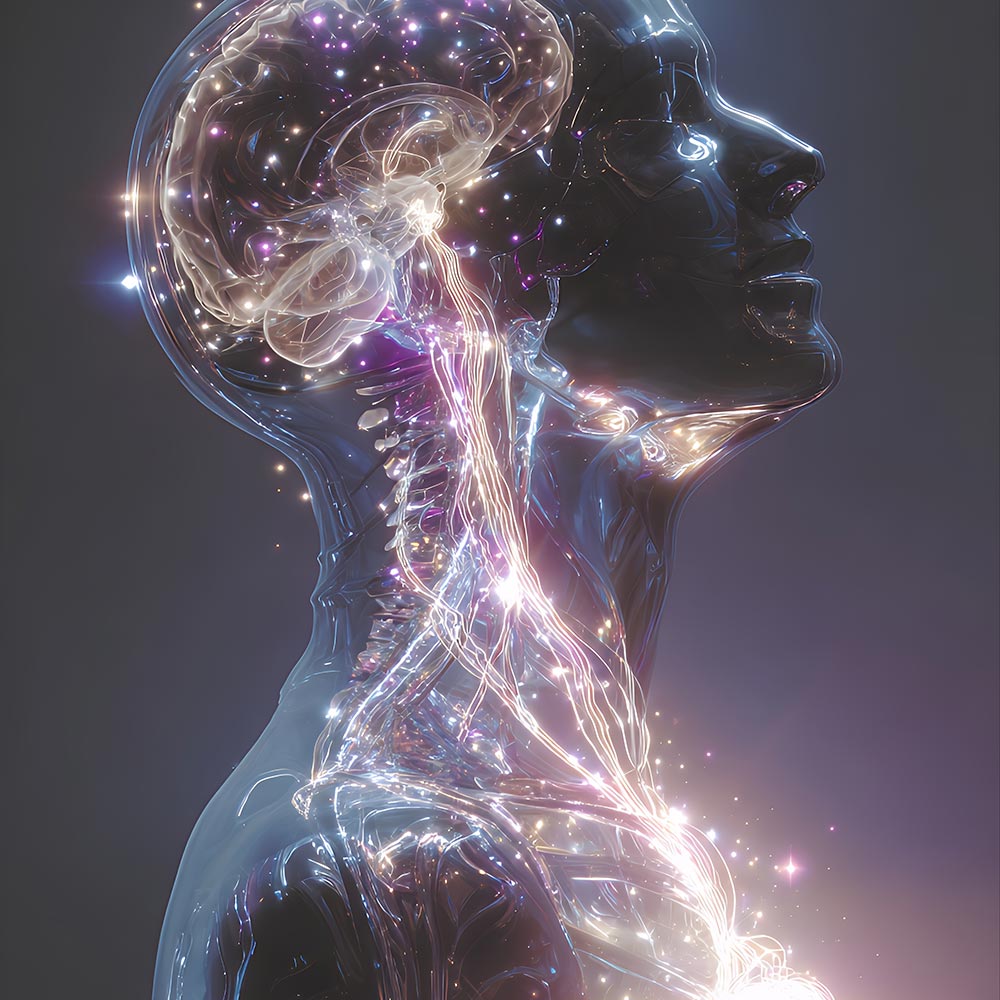
“Your brain is having a conversation with your body every second of every day.”
Whether you’re taking a walk, recovering from an injury, concentrating at work or simply taking a deep breath, countless messages are travelling between your brain, spinal cord, nerves, muscles and internal organs. Most of us never notice this remarkable communication until something goes wrong.
Perhaps you’ve experienced tension headaches during periods of stress, felt your shoulders tighten before an important meeting, noticed how poor sleep leaves you physically exhausted, or found that chronic pain affects your mood and confidence. These experiences are reminders that the brain and body are not separate systems. They are deeply interconnected.
For many years, healthcare tended to separate physical health from mental health. We visited one professional for pain and another for anxiety, often without recognising how closely the two influence one another. Today, advances in neuroscience are helping us understand that this division is artificial. The nervous system is constantly linking our thoughts, emotions, movement, sensation and physical health.
At Neuromed, this understanding shapes the way we approach assessment, treatment and recovery. Rather than focusing only on individual symptoms, we recognise the importance of supporting the whole person. Our neurological expertise, combined with evidence-based technologies and personalised care, allows us to consider how brain function, physical health and overall wellbeing work together.
Because wellbeing means different things to different people, our approach begins by understanding your own goals, priorities and definition of living well. Whether your aim is to recover after illness, reduce pain, improve mobility, regain confidence or simply enjoy everyday life more fully, those personal goals become the starting point for your care. To explore this idea further, read our article Wellbeing Is Personal: Why Your Definition Matters, where we examine why wellbeing is a deeply personal concept and how Neuromed can support the goals that matter most to you.
Your Nervous System: The Body’s Master Communicator
When we think about the brain, we often imagine it as the body’s control centre. In reality, it is part of an extraordinary communication network that includes the spinal cord and billions of nerve fibres extending throughout the body. Every movement, every sensation and every automatic process depends on this network.
When you stand up from a chair, your brain coordinates hundreds of muscles without conscious effort. When you touch something hot, your nerves rapidly carry information to the spinal cord and brain before you even realise what has happened. When you feel anxious, your nervous system prepares your body to respond by changing your breathing, heart rate and muscle tension.
This constant exchange of information explains why physical health can influence emotional wellbeing, and why emotional stress can affect the body. Rather than existing independently, the brain and body function as one integrated system.
Neuroplasticity: Your Brain is Designed to Adapt
One of the most exciting discoveries in modern neuroscience is that the brain remains capable of change throughout life. This ability, known as neuroplasticity, allows the brain to strengthen existing neural pathways, form new connections and adapt following injury, illness or new learning.
Every time you learn a new skill, recover movement after injury or establish a healthier habit, your brain is changing. Neuroplasticity is one reason why rehabilitation is so important. Recovery is rarely about healing muscles or joints alone. It also involves helping the nervous system relearn patterns of movement, coordination and function.
At Neuromed, this understanding underpins many of our services, from neurological assessment and brain-based therapies to technologies that support movement, muscle function and rehabilitation.
Movement is Brain Health
Most people think of exercise as something we do for our muscles or our heart. Neuroscience tells us something even more remarkable: movement is one of the most powerful ways of supporting brain health.
As we move, our brain receives a constant stream of sensory information from our muscles, joints, fascia, organs and the environment. It uses this information to refine balance, coordination and posture while also supporting attention, memory, mood and cognitive function. This is why movement plays such an important role in healthy ageing and neurological rehabilitation.
Unfortunately, pain, illness, surgery and neurological conditions can reduce our activity levels. Over time, reduced movement can weaken muscles, decrease confidence and limit independence, creating a cycle that becomes increasingly difficult to break. Supporting movement therefore becomes about far more than improving fitness; it becomes a way of supporting the nervous system itself.
Strong Muscles Begin with Strong Neural Connections
When people hear about treatments that strengthen muscles, they often think about appearance. From a neurological perspective, however, muscles are only part of the story. Every muscle contraction begins with an electrical signal from the nervous system. Healthy movement depends on efficient communication between the brain, spinal cord, nerves and muscles.
Technologies such as EMSCULPT NEO work by stimulating powerful muscle contractions that may complement conventional strengthening programmes for selected individuals. While they are not substitutes for regular physical activity, they can support rehabilitation by helping activate muscles that may have become weakened through injury, inactivity or certain medical conditions.
At Neuromed, these technologies are never viewed in isolation. They form part of a broader approach that may also include lifestyle advice, movement, nutrition and personalised rehabilitation, depending on each individual’s goals.
The Pelvic Floor: Another Example of Brain–Body Communication
The pelvic floor is another remarkable example of the partnership between the brain and body. These muscles contribute to bladder and bowel control, posture, breathing and core stability, but they rely on precise communication between the brain, spinal cord and pelvic nerves to function effectively.
Following pregnancy, menopause, prostate surgery or simply with ageing, this system may become less efficient. The result can be urinary incontinence, reduced confidence and limitations in everyday activities. Although many people feel embarrassed discussing these symptoms, pelvic floor dysfunction is both common and treatable.
Technologies such as EMSELLA use high-intensity electromagnetic stimulation to activate pelvic floor muscles non-invasively. When combined with appropriate clinical assessment and, where appropriate, pelvic floor exercises, they may help improve your muscle function and quality of life.
Again, the goal is not simply stronger muscles, but helping you return to the activities that matter most to you.
Recovery is Also a Neurological Process
Recovery involves much more than repairing damaged tissues; the nervous system also needs time to adapt. What do we mean by this?
Following injury, surgery or periods of prolonged pain, the brain is continually updating its understanding of how your body moves and functions. Supporting this process requires adequate rest, movement, circulation, nutrition and gradual rehabilitation.
Some people may benefit from additional therapies during recovery. Cryotherapy, for example, has been explored for managing discomfort and exercise-related soreness, while intermittent pneumatic compression systems may support lymphatic drainage and reduce swelling in selected patients.
Again, these technologies are most effective when integrated into a comprehensive rehabilitation plan rather than viewed as standalone solutions.
Stress Changes the Way the Brain and Body Communicate
Modern life places significant demands on our nervous system. When stress becomes chronic, your brain can remain in a heightened state of alert. This heightened state of alertness can mean that your muscles may stay tense, your pain sensitivity may increase, and your sleep becomes disrupted leading to slowed or disrupted recovery.
Many people notice this as tight shoulders, jaw clenching, headaches or persistent fatigue. At Neuromed, we recognise that physical and emotional wellbeing are closely linked. Understanding how the nervous system responds to stress helps explain why addressing only physical symptoms, or only emotional wellbeing, may leave important aspects of health untreated.
Whole-person care means recognising that sleep, movement, brain health, physical rehabilitation and emotional wellbeing continually influence one another.
Personalised Care Starts With Your Goals
One of the most important developments in modern healthcare is the move away from one-size-fits-all treatment. Two people may have the same diagnosis but very different hopes for recovery.
One person may want to return to competitive sport. Another may simply wish to walk comfortably, lift a grandchild or regain confidence after their illness. This is why personalised assessment is so important.
Healthcare professionals contribute clinical expertise and evidence. Patients contribute something equally valuable: an understanding of what matters most in their own lives, and what has or hasn’t worked for them before. Together, these perspectives guide decisions that are both scientifically informed and personally meaningful.
Looking Ahead: The Future of Whole-Person Healthcare
Technology is transforming healthcare in exciting ways, offering new opportunities to support neurological function, rehabilitation and wellbeing. Yet the most effective healthcare has never been about technology alone. It is about combining scientific evidence, clinical expertise and compassionate, person-centred care.
At Neuromed, we believe the future of healthcare lies in recognising what neuroscience has been revealing for decades: the brain and body have never truly been separate.
Whether your goal is improving neurological function, supporting recovery, strengthening muscles, managing pelvic floor symptoms or enhancing your overall wellbeing, understanding this remarkable connection allows us to provide you with care that is tailored to you rather than simply treating the isolated symptoms.
Ultimately, our aim is not just to help you feel better, but to help you live better, according to your own goals, values and definition of wellbeing. For more information or to book a consultation, please contact us at our Galway office (091) 379 215, Dublin office (01) 965 3294 or email info@neuromedclinic.com.
Dr. Susan McGarvie
Mindfulness-Based Therapeutic Coach
Dr. Susan McGarvie works with adults to support personal change and growth using mindfulness, positive psychology, and coaching. With over 20 years of experience across healthcare, nonprofits, and academia, her work combines evidence-based practice with compassionate, practical support.