“I just don’t feel like myself anymore” is a phrase I hear more and more in my practice. Often, it isn’t about one particular symptom, but a more subtle sense that the energy and vitality that once felt familiar are no longer quite there.
Perhaps you’ve noticed that you tire more easily than you used to. You wake up feeling unrefreshed, rely on another cup of coffee to get through the afternoon or find that you don’t bounce back from a busy week in the way you once did.
For some people, it happens gradually. They stop exercising as often because they don’t have the energy. They decline invitations because they feel exhausted by the end of the day. Weekends become about recovering rather than enjoying life. Others assume it’s simply part of getting older. But is it?
While it’s true that our energy levels change throughout life, constantly feeling tired is not something we should simply accept. Increasingly, researchers are recognising that energy is more than just a feeling, it is an important indicator of our overall health and wellbeing.
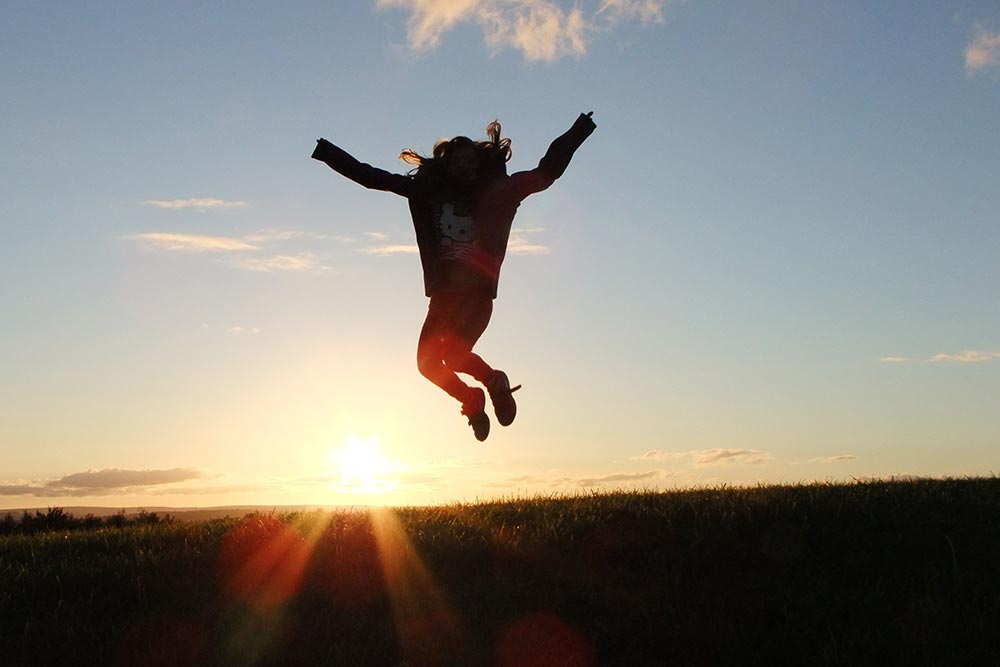
Perhaps it’s time we stopped asking, “How can I get through the day?” and started asking a different question: “What helps us feel truly alive?”
More Than Just Energy
When we think about energy, we often think about sleep. If we’re tired, we assume we simply need more rest and sleep is certainly important, but vitality is about much more than the number of hours we spend in bed.
Think about the last time you felt genuinely energised…Perhaps you had been away on holiday, spent the afternoon walking along the beach, completed a challenging project, or shared a meal with good friends.
Those experiences involve far more than physical energy; they bring together enthusiasm, motivation, resilience and a sense of engagement with life. Together, these qualities contribute to what we might call vitality. Vitality is not simply the absence of fatigue; it is the presence of physical, mental and emotional energy that allows you to participate fully in the things that matter most to you.
Why Do We Feel So Drained?
Modern life places enormous demands on both our bodies and minds. Many of us juggle work, family responsibilities, financial pressures and almost constant digital connection, often alongside an unspoken expectation that we should simply keep going, even when we’re exhausted.
Your brain and body are remarkably adaptable, but that adaptability has limits. You need periods of rest and recovery to balance the demands placed upon you; without them, it can become surprisingly easy to mistake surviving for thriving.
This shift isn’t always dramatic enough to be recognised as burnout. More often, vitality seems to fade gradually. You may become accustomed to feeling a little more tired, slightly overwhelmed or less motivated than you once were. Because these changes happen slowly, they can begin to feel like your new normal, something you attribute to getting older, being busy or simply having too much to do, but feeling depleted shouldn’t automatically be accepted as the price of a full life.
Vitality Is Built, Not Found
There is no single secret to feeling energetic, no miracle supplement or perfect routine that will suddenly restore your vitality. Rather, vitality emerges from the complex interplay of the many systems that support your physical and emotional wellbeing.
Regular movement, restorative sleep, good nutrition, effective stress management and adequate recovery all help create the conditions our brains and bodies need to function well. In this sense, energy is not something we can simply manufacture through willpower or summon when our reserves are running low. It is something that is supported by how well we care for ourselves over time.
Perhaps the encouraging part is that this doesn’t require you to overhaul your life. Small, sustainable changes, practised consistently, can often be more valuable than dramatic changes that are difficult to maintain. Vitality is rarely something you can transform overnight; it is something you nurture, gradually and intentionally, through the choices you make each day.
Movement Creates Energy
It may seem counterintuitive, but when you’re feeling depleted, one of the most effective ways to restore your energy can be to use some of it. Tiredness often makes us want to move less, yet regular physical activity can help us feel more energised by improving circulation, supporting cardiovascular health and strengthening the muscles that make everyday activities easier.
The benefits extend beyond physical fitness. Movement can also help regulate stress, improve sleep, support brain health and promote the biological processes associated with mood and mental clarity. In other words, being active can influence not only how your body function, but how alert, capable and engaged you feel.
And it doesn’t have to mean an intense workout. A brisk walk, a swim, some strength training, gardening or dancing can all count, while even shorter periods of movement woven into the day can make a difference over time. What matters most is finding ways of moving that feel enjoyable and sustainable enough to become part of your everyday life.
Recovery Is Where Vitality Is Restored
In a culture that often celebrates busyness, productivity and constant activity, recovery can easily be overlooked. Yet it is during periods of rest and recovery that the body carries out many of the processes needed to repair, restore and prepare us for what comes next.
You can push through tiredness for a surprisingly long time, but without adequate recovery your energy and resilience will eventually begin to suffer. Sleep, relaxation, time in nature, meaningful connection and gentle movement can all help replenish your reserves.
Recovery, then, isn’t the opposite of productivity. It is what allows us to keep performing, participating and living well over time.
Strength Is Energy Stored
We are increasingly recognising that muscle plays a much greater role in our overall health than simply strength or appearance. Healthy muscle supports movement, balance and metabolism, while also making the physical demands of everyday life easier.
Whether we’re climbing stairs, carrying shopping or lifting a child, stronger and more efficient muscles mean these activities require less effort, leaving us with greater capacity for the things we enjoy.
Strength, then, isn’t simply about looking fit. It’s about having the energy and physical capacity to live well.
Stress Quietly Steals Vitality
Stress is a natural part of life and, in the right amounts, helps you respond, adapt and perform when you need to. The difficulty comes when stress becomes persistent and there is too little opportunity to recover.
Over time, this can affect your sleep, concentration, mood, muscle tension and energy, leaving your body in a state of heightened alert even when the immediate pressure has passed. This is the familiar “wired but tired” feeling; the mind keeps going while the body struggles to replenish its reserves.
Learning to manage stress, therefore, isn’t simply about protecting your mental health. It is an important part of preserving the energy and resilience that underpin your vitality.
Take-Home Message: Rediscovering Your Vitality
Perhaps the most encouraging message is that vitality isn’t reserved for the young, the naturally energetic or those with perfect health. It can be nurtured throughout life, and increasingly, people are choosing to invest in their health not because something is wrong, but because they want to feel stronger, recover better and continue enjoying the things that matter to them.
What that looks like will be different for everyone. For one person, it may mean returning to sport; for another, having more energy for family life, feeling stronger and more confident, or simply feeling more like themselves again.
There are no shortcuts to vitality. Movement, strength, sleep, recovery and managing stress remain important foundations, while modern wellness technologies may provide additional support when they are appropriate to an individual’s needs and goals.
At Neuromed, we believe that looking after your health is about more than preventing illness or adding years to your life. It is about creating the conditions that help you feel, function and live well.
Perhaps, then, the question isn’t simply “How can I have more energy?” but “What helps me feel most alive?”
To learn more or work with one of our consultants, please contact our Galway office (091) 379 215, Dublin office (01) 965 3294 or email info@neuromedclinic.com.

Dr. Susan McGarvie
Mindfulness-Based Therapeutic Coach
Dr. Susan McGarvie works with adults to support personal change and growth using mindfulness, positive psychology, and coaching. With over 20 years of experience across healthcare, nonprofits, and academia, her work combines evidence-based practice with compassionate, practical support.